Boating is an adventure in freedom, taking you away from the harbors of life onto the open water. But it's not all sunshine and smooth sailing - returning to the dock is an essential and potentially tricky part of the experience. For those who are new to the water, tying a boat to a dock can seem like an intricate, high-pressure task, but it doesn't have to be with the right knowledge and preparation. Here's everything you need to know about how to tie your boat to a dock, so you can secure your vessel safely and confidently every time.
Why Is Properly Tying Your Boat So Important?
Before we jump into the knot-tying fun, it's critical to grasp why secure docking matters. The clarity in understanding this will further your ability to appreciate the importance of safe harboring for pontoon and speed boats alike.
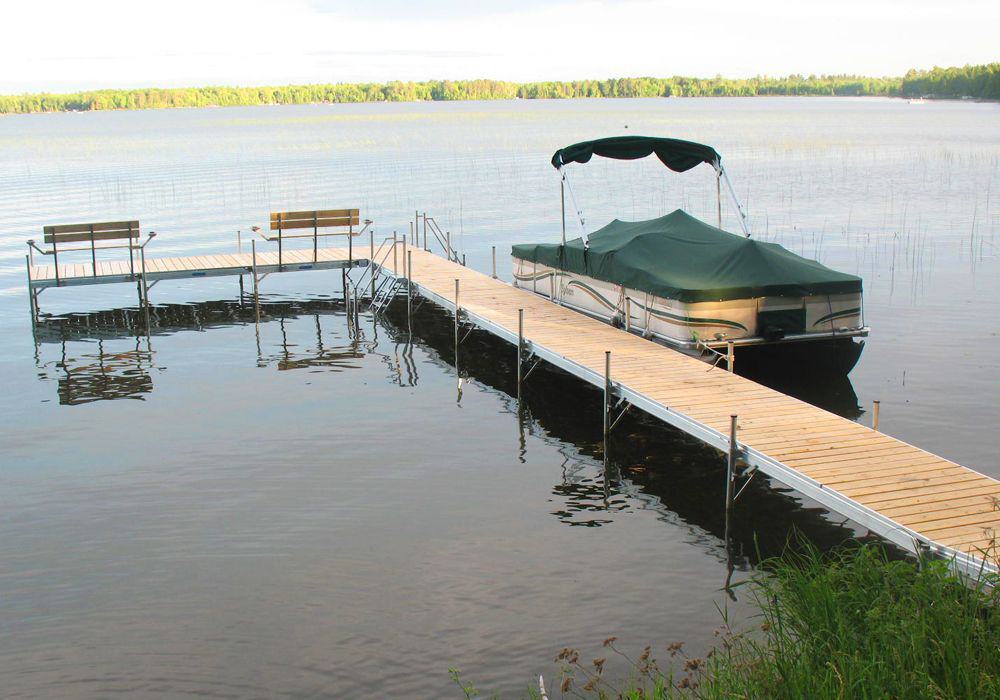
Secure Docking Matters for Pontoon and Speed Boats
For pontoon boats - often associated with leisurely lake jaunts and social gatherings - secure docking ensures the safety of passengers and provides a stable platform for boarding and unloading. Owning a speed boat? That's your ticket to adventure, but anchoring it safely means you can enjoy the thrilling rides time and time again.
Remember, the perils of weak knots or hasty tying extend beyond inconvenience. They can lead to your boat drifting away, causing damage not only to your craft but to others nearby. Furthermore, improperly secured boats can pose hazards to swimmers and fellow boaters.
Preparing to Tie Your Boat to a Dock
A crucial step most amateur boaters miss is preparation. Thoroughly ensuring your boat is secure starts before you even approach the dock.
- Selecting the Right Rope and Cleats for Your Boat. Each boat has specific rope and cleat needs. It's important to select marine-grade ropes that are appropriate for your boat's size and use. Similarly, cleats come in various shapes and sizes, providing the anchor points for your ropes.
- Assessing Water and Wind Conditions Before Approaching the Dock. Wind and water movement can quickly turn an easy docking into a challenging endeavor. Observing these conditions in advancement will help you plan your approach and docking strategy.
- Adjusting Your Approach Speed. Too fast, and you'll overshot the dock - too slow, and the wind or current can push your boat off course. The ideal approach speed varies based on conditions and experience. A gentle pace is often best, allowing you to maintain control.
- Gathering Necessary Supplies. Don't be caught unprepared! Fenders, essentially boat bumpers, soften the impact between your boat and the dock, preventing damage. High-quality lines (or ropes) that are the right length and strength for your boat are essential for solid mooring. Finally, cleats should be placed strategically around your boat to offer multiple tie-off points.
Step-by-Step Guide to Tying a Boat to a Dock
Approaching the dock can be nerve-wracking, but with the right method, you can tie your boat securely like a seasoned sailor.
Step 1: Approaching the Dock with Care
Approach your docking area with caution, gauging the distance and your boat's speed to ensure a smooth arrival.
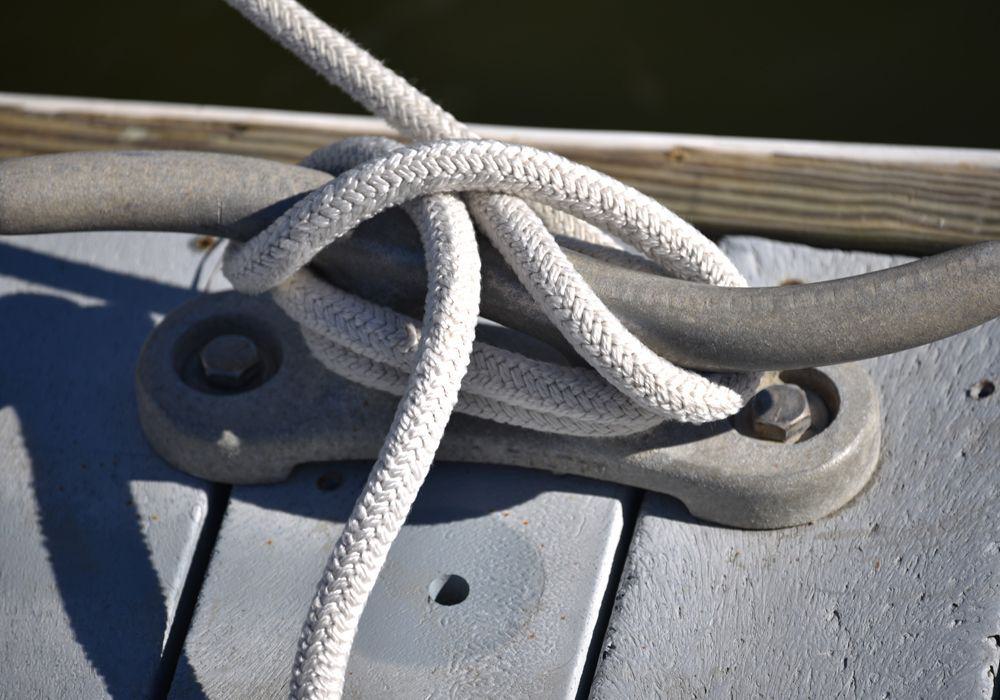
Step 2: Using Cleat Hitch on a Dock Cleat: A Visual Guide
A cleat hitch is the go-to knot for many boaters, providing both strength and security. It's essential to learn this knot and understand how it applies to your dock's cleat design.
To construct a cleat hitch:
- Loop the rope around the base of the cleat, bringing both ends up toward the top.
- Cross the ends and loop one back under the original line.
- Repeat with the other end of the rope, creating an "X" shape on the cleat's horns.
- With both ends now up, finish the formation with one loop back under the "X," securing the knot.
Tips for tying a cleat hitch effectively include ensuring the rope pulls straight on each loop and maintaining tension without excessive force that could damage the cleat or the rope.
Step 3: Tying Your Boat Up to a Ring
Rings can sometimes offer a more convenient or secure mooring point compared to cleats. Reflect on the option to use a ring instead and tie your boat up with the following knots:
Knots Every Boater Should Know
Knot-tying is an art within itself, and two knots in particular are indispensable for boat-tying mastery. Here's a primer on each.
The Cleat Hitch: Most Reliable Knot for Docking
Refer to the step-by-step guide above for constructing a cleat hitch, as nothing beats this knot's reliability.
The Bowline Knot: Versatile and Strong
The bowline knot is famed for creating a secure loop at the end of a rope. Ideal for rings or securing equipment, the bowline is a staple knot for all boaters to master.
Advanced Docking Techniques
Once you've got the basics nailed down, it's time to level up with these advanced strategies that experienced boaters swear by.
Docklines: Tying Up Alongside vs. In a Slip
Tying up alongside is more common, but in slip mooring, the boat is berthed within the outline of the dock, often with the bow pointing away from the dock. Different tying techniques are required for each scenario.
Properly Securing Stern and Spring Lines
The proper use of stern lines - to reduce the boat's movement - and spring lines - to keep the boat from moving forward and aft - ensures a more secure mooring and can assist in docking during challenging conditions.
Adjusting Lines for Tidal and Wind Changes
Tides and winds shift unpredictably, but your tying should be able to anticipate these changes. Regularly check and adjust your lines to maintain proper tension and alignment with the dock.
Securing Your Boat: Temporary and Long-Term Measures
Depending on your boating schedule, the duration of your mooring will affect the measures you take.
Temporarily Tying Your Boat to a Dock
During a quick stop, a temporary tie-off may be all that's needed. Use quick-release knots to ensure a speedy departure when the time comes.
Long-Term Moorings: Tips for Extended Docking
For extended time in the same slip or at an extended dock, create a more robust, weather-proof knotting system that can endure the elements for longer.
Common Questions About Tying a Boat to a Dock
Still have some lingering queries? Consult this section for answers to the most common concerns when tying up.
How to Handle Tying Up in Adverse Weather Conditions
High winds, heavy rains, and lightning storms can turn what was once a simple docking into a challenging task. Use all your boat securing knowledge, consider using extra dock lines, and delay your docking if conditions seem too hazardous.
Adjustments for Different Boat Sizes and Types
Larger boats and those with different hull designs may require additional or unique tying methods. Experiment and practice with your specific vessel to find the most secure approach.
Practical Tips for Proper Boat Docking
When it comes to docking a boat, knowledge is power. Here, you'll find some practical pointers that bring the theory of knot-tying and boat docking to life.
- When and How to Use Fenders: Fenders act as a cushion between your boat and the dock, absorbing the impact to prevent scratches, dents, or other damage. It's crucial to hang fenders at the waterline level of your boat, ensuring they're in place where your boat is most likely to contact the dock. Adjust the height according to the tide and the dock level and use more than you think you need in windy conditions or when docking next to boats of different sizes.
- Ensuring Your Tied Boat Stays Secure: Beyond just tying up, maintaining the security of your boat involves vigilant monitoring, especially in changing weather conditions. After securing your boat, periodically check the tension in the lines as the tide changes or as weather conditions evolve. Adjust as needed to maintain a snug fit that prevents excessive movement yet allows some flexibility for the boat to adjust to waves and wakes without straining the lines.
- Untying and Departing from the Dock: Efficient departure begins with methodical untying. Start with the lines that are under the least tension to avoid sudden shifts in boat position, and always keep at least one line secured until you're ready to push off. This prevents the boat from drifting away unexpectedly. Organize your lines by coiling them neatly for quick access and to prevent knots and tangles next time you dock.
- Approaching the Dock with Precision: Master the approach by reducing speed and using minimal power to guide the boat gently towards the dock. Aim to approach at a slight angle, allowing the bow to come close first, then shift into neutral to let momentum carry you the rest of the way. If possible, use the wind or current to your advantage, allowing these natural forces to help bring you into the dock with less mechanical power.
Choose Pier of d'Nort and Dock With Confidence
As the day's adventure on the water winds down, it's time for a secure and hassle-free docking process. At Pier of d'Nort, we understand that the transition from open water to dock should be as seamless and stress-free as possible. Our innovative, easy-to-install flip-in piers are designed with this very purpose in mind, ensuring that docking becomes an effortless part of your boating experience.
Whether you're new to boating and looking for guidance on how to tie your boat to a dock, or an experienced captain seeking a more reliable docking solution, our experts are here to support you every step of the way. With Pier of D'Nort, you're anchoring a lifestyle of ease and reliability, letting you focus on what truly matters - enjoying your time on the water.