In the world of waterfront property management, seasonal ice buildup is the ultimate invisible enemy. It threatens structural integrity, deforms dock legs, and creates chaotic instability along shoreline footings. While many lakefront owners treat autumn removal as a grueling, multi-person ordeal, the difference between "traditional brute force" and "precision-engineered modular design" can be measured in hundreds of saved hours, eliminated back strain, and protected equipment assets.
We sat down with the Pier of d'Nort engineering team to discuss the mechanics of frame removal and why modern waterfront owners are moving away from heavy sectional and roll-in systems toward solo dry-land extraction.
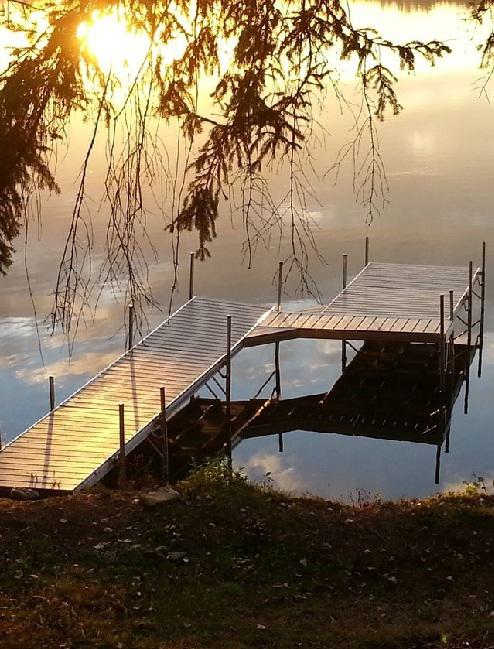
Why is Component Separation Critical for Low-Strain Fall Removal?
At its core, autumn dock removal is a game of leverage and mass management. Standard sectional alternatives often force owners to drag heavy, algae-slicked frames out of the water all at once, requiring multiple people, heavy-duty winches, or full-body submersion in freezing water.
The engineering logic behind a modular "Tip-In" frame and drop-in deck system is much more elegant. By separating the decking panels from the structural framework prior to extraction, total lifting weight is divided into lightweight, easily manageable components.
The Benefits of the Integrated Component Approach:
- High Strength-to-Weight Ratio: Removing Western Red Cedar or non-skid vinyl panels first allows the operator to lift less than half the total section weight at any given time.
- Dry-Land Extraction: Swiveling hooks and top-side release latches allow the entire frame to be rotated 90 degrees and lifted onto the pier deck without entering the water.
- Zero-Tool Leg Folding: Integrated scissor braces allow the dock legs to fold completely flat against the frame, maintaining exact seasonal height settings for spring.
- Compact Footprint Storage: Flat-folding frames stack neatly upside down on shore, drastically reducing lawn coverage and eliminating off-season clutter.
How Does a One-Way Cam System Eliminate In-Water Adjustment?
Waterfront environments present constantly shifting variables. Fluctuating precipitation and seasonal drawdowns force lake levels up and down throughout the year.
With traditional pipe docks, height adjustments require loosening rusted set screws or fighting seized bolts below the waterline—creating significant risk of frame slippage or stripped hardware.
The One-Way Cam Engineering Solution
Pier of d'Nort dock legs utilize an integrated, continuous one-way cam cinch system. Using a standard 1/2-inch wrench from the top of the dry deck, turning the cam shaft releases the friction grip:
- To Raise the Pier: Lift the frame section slightly and push down on the footpad—the cam automatically locks into place under tension.
- To Lower the Pier: Engage the cam shaft with a 1/2-inch wrench to disengage the tension lock, lower the frame to the desired height, and release the wrench to lock.
Comparing Seasonal Dock Architecture
| Feature | Pier of d'Nort Modular System | Traditional Pipe / Roll-In Docks |
| Primary Extraction Method | Solo dry-land leverage (Tip-In) | In-water pulling, vehicle/winch tow |
| Leg Adjustment Mechanism | One-way cam cinch (1/2" wrench) | Underwater set screws / friction collars |
| Off-Season Storage Footprint | Low (Flat-stacking folded frames) | High (Bulky frames, fixed legs, lawn waste) |
| In-Water Labor Required | Zero (Operated from dry deck) | High (Waders or full submersion required) |
| Water Level Adaptability | Immediate (Top-side adjustment) | Difficult (Requires submerged tool work) |
Troubleshooting Seasonal Readiness: Is It Frame Fatigue or Water Displacement?
When dock sections misalign or feel unstable during late-season usage, owners often assume structural frame failure. However, the root cause is frequently related to footing setting or lakebed shifting.
How to Diagnose Dock Instability:
- The Single-Leg Test: If instability is isolated to one corner or frame intersection, check the footpad settlement. Use the top-side cam mechanism to drop the leg until firm resistance against the lakebed is restored.
- The Frame-Leveling Test: If the entire pier slants or bows continuously along multiple sections, water level changes have altered your shoreline pitch. Adjust the starter section height or use the cam system to re-establish a flat horizontal plane across all spans.
Precision removal engineering isn't just about making autumn cleanup easier; it's about extending the lifespan of your waterfront investment. By utilizing smart mechanics and dry-land extraction, dock owners can keep their piers in the water longer into the fall and winterize their shoreline in a single afternoon—dry, safe, and solo.